Homeschool mom schedules: Learning from home without burnout


Homeschooling often starts with a clear goal: more flexibility, a calmer learning environment, or an education that fits your child better than a traditional classroom.
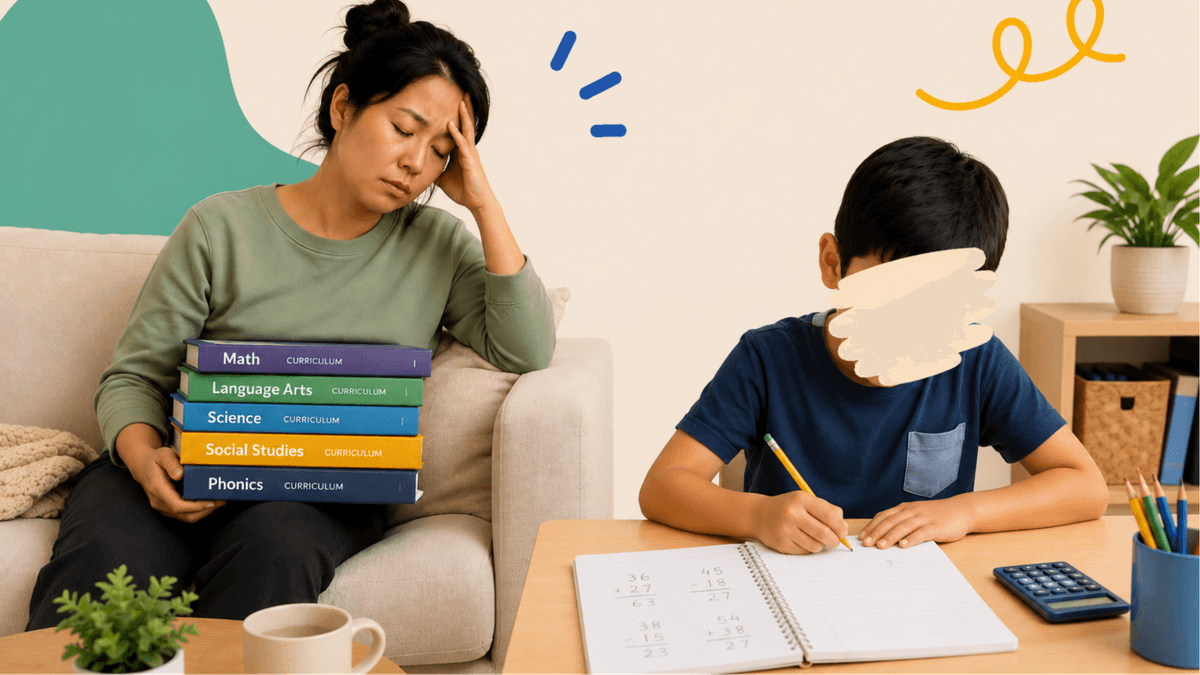
But many moms eventually realize they’re carrying far more than they expected. Teaching lessons, planning the day, managing the house, working, answering questions, handling emotional ups and downs, and trying to keep everyone on track can start to feel like several full-time roles happening at once.
Some mornings go sideways before breakfast even finishes. One child is ready to start math at 8:30 while another is crying because the wrong bowl touched their oatmeal.
At that point, the problem usually isn’t poor time management. It’s the pressure of trying to hold school and family life together without enough support or structure around you.
A lot of parents reach a point where they realize they don’t want to return to traditional school, but they also don’t want to carry the full weight of teaching and managing every part of the school day alone.
Sometimes the answer isn’t building a stricter homeschool schedule. It’s finding more support, more structure, or a different way to learn at home that gives your child consistency without placing the entire educational burden on you.
Ways to make learning at home feel more sustainable
Trying to hold together an entire homeschool day, family schedule, and household routine can start to feel emotionally exhausting very quickly.
Some days feel easier when there’s less decision-making. A few predictable routines. A rough shape to the day. Kids know what’s happening next, and parents are not constantly improvising.
Here are a few tips to help you design your day in this way.
Anchor your day with a gentle rhythm instead of racing the clock
Research by Selman and Dilworth-Bart shows that predictable daily rhythms help support emotional regulation and smoother transitions for both children and parents.
But you don’t have to tie yourself to a strict timetable. After all, a schedule that looked perfect on Sunday night can completely fall apart by Tuesday afternoon, especially with younger kids or mixed ages at home.
Many families find that simple anchors throughout the day feel more manageable. Think after breakfast, after morning time, before lunch, or after quiet time.
These anchors create structure while still allowing flexibility when real life shifts.
Protect your energy instead of trying to do everything
Try to place the most demanding parts of the learning journey when you and your kiddo have the most energy.
For many moms, that’s mid-morning, when it feels easier to focus, support transitions, or handle more demanding parts of the day. Lower-energy times can work better for creative play, independent learning, household chores, or independent work.
Build in small pauses so calm doesn’t depend on pushing through
Research in Revista de Psicodidáctica shows that when you alternate effort with rest, you can balance attention and emotion better.
In this sense, short breaks help everyone stay focused and emotionally balanced.
Try outdoor activities, indoor exercise videos, board games, family jogs, or creative resets like art lessons and musical theater breaks to help your kids recharge between learning blocks. Sometimes the reset is just everyone sitting quietly for twenty minutes because the day started unraveling around lunchtime.
Let progress build over the week instead of expecting perfect days
Learning at home works best when progress builds over time.
Rather than trying to fit everything in every day, at-home learning should focus on weekly goals. A steady weekly rhythm helps learning move forward, while making the day feel achievable.
This approach also gives families more room for appointments, family commitments, field trips, and real life interruptions.
Remember, you don’t have to carry school all on your own
Many parents reach a point where they realize they still want the flexibility and emotional benefits of learning from home, but they no longer want to carry the full teaching load alone.
That’s where more structured support can make a huge difference.
bina combines teacher-led online learning, live lessons, and predictable daily routines so children have consistent educational support throughout the day without parents needing to plan and manage every subject themselves.
For many families, that creates a calmer rhythm at home while giving parents more space to work, rest, and focus on being a parent instead of managing school full-time.
Realistic learning-at-home routines for busy moms
Many families discover that learning at home feels more sustainable when the day includes predictable rhythms, independent learning time, and periods where parents are not responsible for constant direct instruction.
These example schedules show how families create calmer learning routines while protecting space for work, rest, and everyday home life.
Schedule example: A learning-at-home routine for work-from-home families
For many work-from-home families, the hardest part of the homeschool day is constantly switching between parenting, teaching, and work responsibilities. It can feel impossible to tackle a complex work email while somebody’s yelling for help spelling “elephant” from across the room.
Predictable learning blocks can help create clearer boundaries throughout the day while giving children more consistency and independence.
Morning connection and gentle start (8:00–9:00)
Parent: Breakfast prep, light conversation, quick morning routine, and family check-in
Kids: Morning chores, reading aloud, independent learning stations, breakfast
Learning and work block #1 (9:00–10:30)
Parent: Deep-focus work session or meetings
Kids: Independent work or guided online lessons such as language arts or math practice
Shared learning and together time (10:30–11:00)
Family: Read-aloud time, discussion, collaborative learning, or reflection activities
Movement and reset break (11:00–11:30)
Family: Walk, stretching, outdoor activities, or fresh air reset
Lunch and quiet reset (11:30–12:30)
Parent: Lunch, household chores, dinner prep, or mental break
Kids: Audiobooks, quiet time, drawing, or independent reading
Learning and work block #2 (12:30–2:00)
Parent: Focused work sprint, admin tasks, or planning
Kids: Guided lessons, project-based learning, or core subject practice with guided instruction
Independent work and quiet time (2:00–3:00)
Parent: Lighter work block or home-life planning
Kids: Independent reading, creative projects, quiet play, board games, or guided learning activities
Afternoon wrap-up (3:00–4:00)
Family: Tidy learning spaces, reflect on the day, and prepare for tomorrow
This type of homeschool routine creates more breathing room throughout the day while reducing the mental load of one parent managing every part of learning alone.
Schedule example: A home learning routine for the stay-at-home parent
This example focuses on a slower homeschool routine that blends learning, life skills, and creative time while leaving space for home management, rest, and family life throughout the homeschool day.
Gentle morning start (8:00–9:00)
Parent: Coffee, journaling, breakfast prep, or a slower morning routine
Kids: Reading, drawing, morning basket activities, or quiet play while waking up gradually
Focused learning block (9:00–10:30)
Parent: Available for encouragement, transitions, one-on-one support, or quieter home tasks nearby
Kids: Online lessons, independent work, reading, writing, math practice, or supported core subject learning
Snack and movement break (10:30–11:00)
Family: Outdoor play, short walk, stretching, or movement reset
Shared life-skills time (11:00–11:45)
Family: Cooking, lunch prep, household chores, or practical learning activities together
Lunch and calm downtime (11:45–12:30)
Parent: Quiet reset, personal break, or lighter home admin
Kids: Audiobooks, reading, quiet time, or calm independent activities
Creative and project block (12:30–2:00)
Parent: Home admin, planning, work tasks, or personal projects
Kids: Art, music, building, project-based learning, or guided creative activities
Flexible afternoon block (2:00–3:00)
Parent: Light chores, personal time, work tasks, or quieter home responsibilities
Kids: Independent learning, creative projects, reading, outdoor play, or guided afternoon activities
Family connection close-out (3:00–4:00)
Family: Tidy shared spaces, talk about the day, read aloud together, or enjoy calmer family time before evening routines begin
This type of homeschool daily schedule creates more flexibility throughout the day while helping families maintain consistent learning support without placing every lesson, transition, and responsibility onto one parent alone.
Balancing homeschooling, family life, and your wellbeing as a mom
Many parents choose homeschooling because they want a calmer, more flexible alternative to traditional school. They want more family time, a gentler homeschool routine, or a homeschool curriculum that fits their child better than a traditional classroom.
But over time, many homeschooling moms realize they’ve gradually become responsible for everything: homeschool planning, the daily schedule, household chores, independent work, emotional regulation, and the constant mental load of keeping the homeschool day moving.
That level of responsibility can become exhausting, especially for working moms balancing family commitments, work responsibilities, and life at home at the same time.
The answer is not always finding a better homeschool planner, creating stricter schedule rules, or trying to organize every part of the homeschool schedule more perfectly.
Sometimes the real shift comes from having more support built into your child’s learning day.
bina gives families a different way to approach learning at home. Children receive live teacher-led lessons, personalized learning in small class groups, independent learning opportunities, and more predictable daily routines, while parents step out of the role of full-time homeschool teacher and back into the role of parent.
For many families, that creates a more sustainable homeschool routine, more breathing room throughout the week, and a more stable balance between learning, work, and family life long term. Learn more about bina today.
Homeschool mom schedule FAQs
How can a homeschool schedule for moms help prevent burnout?
A clear homeschool schedule can reduce decision fatigue by creating more predictable routines for learning, quiet time, and family life. But burnout often comes from carrying the full responsibility for teaching and homeschool planning alone. Many families choose more structured support through bina, where teacher-led lessons and consistent daily routines give children reliable learning time while parents gain more space to work, rest, and focus on family life.
Can an online school like bina still fit into a schooling-at-home ethos?
Yes. bina follows a daily rhythm similar to many homeschool routines, with a personalized approach and small class sizes. Live teacher-led lessons add structure while flexible learning blocks allow families to shape the rest of the day around work, family life, and home routines.
How does added structure support busy homeschooling moms?
Predictable routines reduce stress and mid-day overwhelm. Clear learning blocks and teacher-led lessons create more consistency throughout the homeschool day while reducing the pressure for parents to manage every subject and transition themselves. That extra structure can give working moms more space for work, household tasks, rest, and family life.
Accredited, full-time school for grades K-12
Bring the best of the classroom to your home
See if we're a fit

More to read


The best 7 online accredited homeschool programs in Illinois
Learning at home sounds appealing to many parents, right? More flexibility, more family time, and a calmer pace. What’s not to love?


Homeschool burnout: What to do when it feels like too much
Learn how to spot homeschool burnout, understand why it happens, and find practical ways to reduce stress and make learning at home more sustainable.


Summer homeschool curriculum ideas without school-at-home
Summer often gives parents a clearer picture of how their child actually likes to learn. Some children suddenly read for fun again. Others become more…