Summer homeschool curriculum ideas without school-at-home
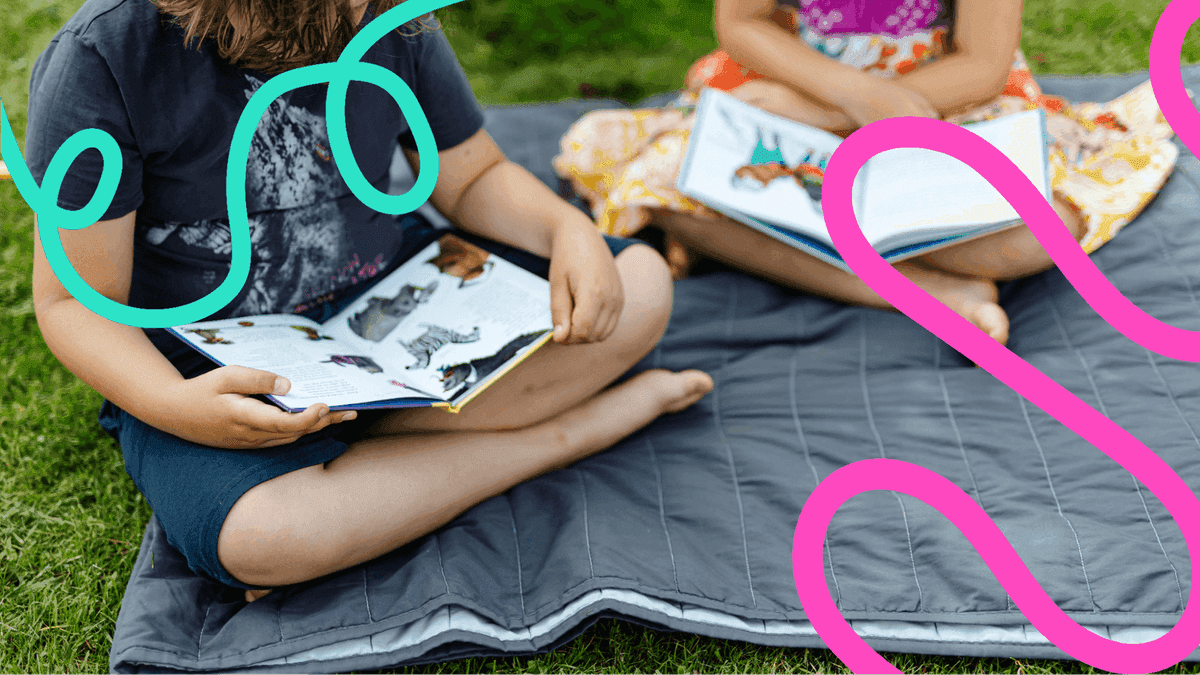

Summer often gives parents a clearer picture of how their child actually likes to learn. Some children suddenly read for fun again. Others become more curious when there’s less pressure, fewer worksheets, and more freedom to explore interests at their own pace.
That’s why many families experiment with more flexible learning over the summer, even if their child normally attends a traditional school.
Without the usual classroom routines, parents often notice their kiddo becoming more engaged, independent, and motivated to learn in ways that feel more natural to them.
Here are gentle summer activities that keep children thinking, creating, and exploring during the break.
Why do many families continue learning over summer?
Most parents aren’t trying to recreate school during the break. They just want to keep their kids connected to summer learning in a way that feels lighter, more flexible, and easier to fit around summer fun, family vacations, and traditional summer activities.
For many families, summer learning becomes less about formal lesson plans and more about curiosity, creativity, and real-world learning. Reading aloud together, trying hands-on projects, visiting museums on field trips, or following a child’s latest obsession can all keep learning active without turning the summer into a full school calendar.
Keeping learning alive without pressure
Long breaks can contribute to learning gaps, especially in reading and math. In fact, Progress Learning’s Summer Learning Loss research found that more than 25% of teachers say students struggle to retain what they learned during the school year after the long summer break.
That doesn’t mean children need hours of worksheets or a strict summer homeschool routine. Gentle summer learning through games, reading programs, outdoor exploration, math review, and delight directed activities can help reduce the summer slide while still leaving plenty of room for rest and play.
Even small routines help. Reading aloud before bed, practicing multiplication facts during a car ride, or keeping a simple summer reading challenge going through July and August can keep core skills feeling familiar.
Giving children space to explore interests
Summer gives kids space to follow what draws their attention and keeps them feeling inspired. They can write more, read more, or get stuck into a topic they love, without worrying about tests or grades.
That’s where play-based learning fits best. Recent studies show that when kids learn through play, they think more creatively, solve problems, and develop their imagination.
Supporting wellbeing and connection
When the structure of the school day disappears, some children struggle more than we expect. Research published in the journal Children shows that gentle summer learning can give them a sense of rhythm and reassurance, which supports emotional well-being as much as academics.
When there’s less pressure to perform, learning slips into family life through talking, working on projects together, and exploring side by side.
For many parents, summer also becomes a chance to notice how their child learns best. Some children become more engaged through hands-on projects or themed deep dives. Others respond better to more personalized learning, smaller groups, or more creative and discussion-based activities.
That realization sometimes leads families to explore more flexible learning options beyond summer itself.
Some continue adding informal learning at home during the school year, while others look into structured alternatives like online schools that combine teacher-guided learning with more curiosity-led approaches.
That’s part of what bina offers through live, small-group classes, interdisciplinary projects, and relationship-centered learning designed to keep children engaged without relying on rigid classroom routines.
Simple, at-home ideas to keep learning active over summer without a homeschool curriculum
Summer learning doesn’t need a timetable or color-coded plans. It’s not about learning goals and progress tracking.
In the summer break, learning usually shows up in ordinary moments — slow mornings, long afternoons, and things you’re already doing together.
The ideas below slide easily into summer days, so learning feels like part of family life, not another thing to organize.
Reading and storytelling for relaxed literacy
Reading over the summer works best when it feels unrushed and personal. You’re not drilling your kids with reading comprehension questions. You’re cuddling up on the couch to reconnect with stories for enjoyment.
When reading feels relaxed, kids stop avoiding books. They talk about the characters at dinner, quote lines they liked, and start playing with words again.
You might try weaving stories into your days with:
- Reading aloud after lunch or before bed, even if it’s just a chapter at a time
- Listening to audiobooks as you drive to summer vacations
- Taking a book outside to sit under a tree on a blanket (or wherever your kids actually sit still!)
- Letting kids retell a story by drawing it, acting it out, or changing the ending
- Turning a story into a short film using toys, LEGO blocks, or whatever’s lying around
- Visiting the library and joining a summer reading challenge just for fun
- Joining an online book club together so you can chat about books with new people
Math through games and everyday life
Summer is a great time to let math drift away from worksheets and show up in real life instead. When numbers sneak into games, plans, and everyday choices, kids keep using math without even thinking about it as schoolwork.
Here are some low-key ways to keep your kids' math practice alive at home:
- Playing board games or logic games that involve counting, planning, or strategy
- Cooking together and realizing a recipe needs doubling, halving, or estimating
- Helping your child plan how to spend pocket money on a small goal or project
- Throwing out quick mental-math questions or math facts during walks, car rides, or errands
- Making estimates about distance, time, or quantities, and seeing how close you were
Science and nature exploration close to home
You don’t need a lab, a science kit, or a stack of textbooks to grow scientific thinking. Summer does a lot of the work for you. Kids naturally start noticing things — patterns in the weather, bugs in the grass, plants changing week to week — and that curiosity is where science really starts.
Simple science exploration can look like:
- Keeping a scrappy nature journal with sketches, notes, and questions
- Noticing weather changes, insects, plants, or habitats, and talking about what’s different
- Sorting leaves, rocks, or clouds just because patterns start to show up
- Putting together a basic weather tracker or solar system model
- Planting seeds and checking in on them over time
- Child-led experiments with kitchen ingredients
- Taking field trips to science museums for ideas and inspiration
Creative projects: art, building, music, making
Creative work gives kids room to mess around with ideas and see what happens. They get to plan a little, try things out, hit a snag, and keep going anyway. Because there’s no single “right” result, they don’t worry about getting it wrong. They can change their minds halfway through, scrap an idea, or come back to it days later.
Creative projects might look like:
- Art projects made from recycled materials
- Making story comics or mini books to play with creative writing skills
- Exploring music, rhythm, or movement in low-pressure ways
- Designing a simple board or card game and tweaking the rules as they go
- Building a model of a favourite place, book setting, or imagined world
If it takes over the table for a few days, that’s usually a good sign.
Life skills as meaningful learning
Everyday tasks are full of critical thinking opportunities where kids can take on real responsibility. Life-skills learning builds autonomy, organization, and confidence, which matters more than any worksheet.
You might invite learning through:
- Planning a meal or writing a shopping list together
- Helping with DIY projects around the home
- Organizing a space or managing regular chores
- Leading a family day plan or outing
- Creating a simple weekly task routine that they manage themselves
When learning fits gently into summer days like this, children stay engaged and curious, without losing the joy of the season.
Summer learning project ideas that children can lead themselves
Sometimes, a summer curriculum works best when it unfolds slowly.
These projects aren’t meant to be finished in a day or even a week. They give kids something to come back to — something that grows slowly over the summer.
Mini research projects on a personal interest
When children choose the topic, learning becomes self-driven. A long-term project encourages kids to plan, ask questions, gather information, and stick with an idea over time. There’s no pressure to “get it right.” The goal is exploration and persistence.
Here are a few ideas for child-led research projects:
- Deep-dive journal on something they’re obsessed with, like dinosaurs, space, insects, trains, architecture, oceans. Fill it with sketches, half-finished notes, maps, photos, and questions they keep coming back to.
**Biography project **on someone they admire, piecing together who they were, what they struggled with, and why their story matters - Local history hunt built from neighborhood walks, chats with relatives, old photos, and whatever stories they can track down
- **Nature log **where they keep checking in on the same tree, street, or park all summer, noticing what changes and what stays the same
To support without taking over, help your child break the work into small steps first. Ask open questions instead of giving answers to encourage deeper thought, and set a relaxed weekly check-in, so they can share what they discover as they go.
Themed explorations that grow over weeks
Some children prefer a theme rather than a single question.
A theme becomes a gentle thread running through the summer, linking reading with visiting places and noticing patterns. This kind of exploration helps children connect ideas across subjects and real life.
Popular themes include:
- Oceans and marine life, combining species study, environmental questions, art, and models
- Global explorers and adventurers, learning about the people who traveled, discovered, and mapped new places
- Inventors and problem-solvers, researching ideas and building simple prototypes
- World cultures and country studies, exploring maps, traditions, recipes, stories, and music
- Architecture and city spaces, studying buildings, materials, and designing model cities
- Food and science, using cooking, experiments, and sensory notes
Encourage one small activity each week, but invite children to revisit earlier work by keeping a simple “what I learned this week” journal.
Passion projects and “making something” challenges
These projects centre on creating a finished piece that matters to the child. Writing, building, recording, or designing something from start to finish builds confidence, resilience, and pride.
Here are a few ideas to nurture budding artists and creators:
- Writing and illustrating a short book or comic
- Creating a stop-motion film or mini-documentary
- Building a model world, city, or landscape and refining it over time
- Curating a personal “museum” with labels and displays
Support by helping them set a big goal and break it into small steps. Let them choose when and how they want to share the final result so they don’t feel pressured to perform to a clock.
Keeping summer learning connected, curious, and enjoyable
Summer learning works best when it feels woven into everyday life rather than separated into “school time” and “time off.” Reading together, trying creative projects, nature study journals, visiting new places on field trips, and following a child’s interests through hands-on learning all help children stay mentally active without losing the freedom and excitement that summer brings.
But for many families, summer is also a chance to notice what helps their child feel most engaged. Some children thrive when learning becomes more discussion-based, creative, and flexible. Others respond better to smaller groups, project-based learning, or having more ownership over what they explore.
That’s often why families start looking beyond traditional classroom models after summer ends. They want to keep the curiosity, confidence, and connection they saw over the break, but with more structure and support during the school year.
bina is an online elementary school built around live, small-group learning, interdisciplinary projects, and teacher-guided lessons that encourage curiosity instead of relying on rigid classroom routines alone. Children still build core academic skills, but they do it through discussion, collaboration, creativity, and meaningful exploration that keeps learning connected to real life.
If your child seems more engaged during personalized, relationship-centered summer learning, learn more about bina today.
Accredited, full-time school for grades K-12
Bring the best of the classroom to your home
See if we're a fit

More to read

Learning styles for kids: A practical guide for parents
Understand how your child likes to learn to keep them engaged with school. Help them become more adaptable by combining learning styles for kids.



Homeschool mom schedules: Learning from home without burnout
Homeschooling often starts with a clear goal: more flexibility, a calmer learning environment, or an education that fits your child better than a…

Secular homeschool curriculum resources for elementary-aged kids
Learn what a secular homeschool curriculum is and why it may be a good match for your child. Plus, the top resources for parents.