Finding a structured learning environment that fits your life
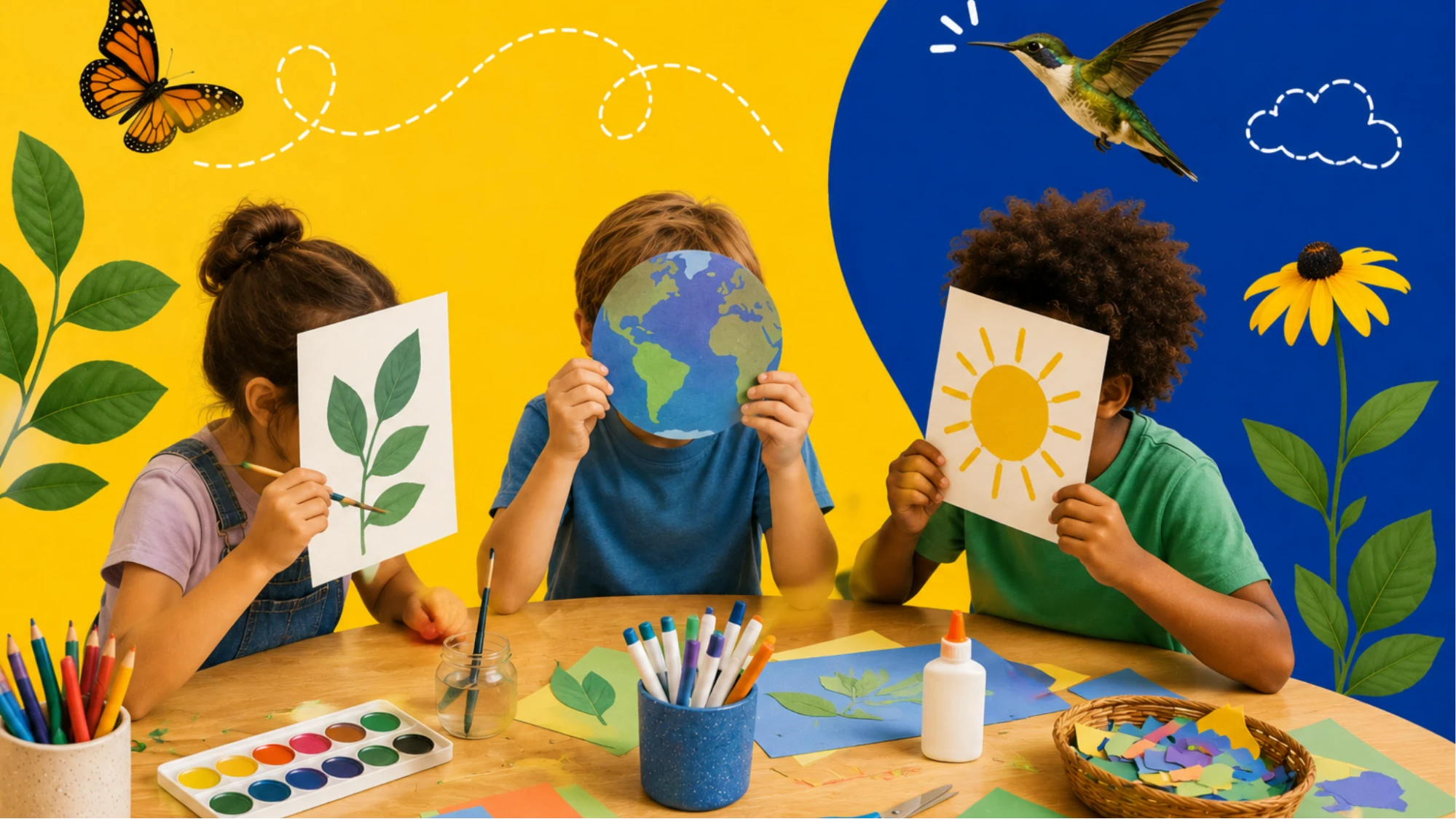
Your child is thriving outside the classroom, but every new opportunity to travel, attend an event, or just enjoy life seems to come with the same question: What happens to school?
Maintaining a daily rhythm is difficult when life outside school is always moving. For some families, life looks like this: another out-of-town tournament this week. We’re moving next month. A few weeks abroad after that.
A structured learning environment makes it possible to keep learning moving, however your family lives. Your kiddo gets the routine, teachers, and friendships of school without being tied to one place.
Let's look at what that looks like and why it matters.
Key takeaways
- Structure helps children learn by creating consistency, routine, and confidence.
- The best learning environments balance clear routines with opportunities for creativity and exploration.
- Children who seem disengaged or overwhelmed may benefit from more structure.
- bina offers a structured online learning environment where children can thrive.
What is a structured learning classroom?
A structured learning classroom is one where learning is carefully planned, guided, and supported so children always know what they're working toward.
Children benefit from:
- Clear expectations, so they know what's expected of them
- Predictable routines that build confidence
- Consistent guidance from teachers
- Ordered lessons that build on previous learning
- Regular feedback that keeps them on track
- Support whenever they need it
This reduces uncertainty, builds self-belief, and helps children stay focused on learning instead of worrying about what comes next.
Importantly, structure isn't defined by where your child learns. It’s defined by how they learn. A structured learning environment can be found in a traditional school, a parent-led homeschool, or a live online classroom. Whether lessons happen in a classroom, around the kitchen table, or virtually, what matters is that children know where they're going and who's there to guide them.
At bina, families don't have to choose between flexibility and structure. Children enjoy the routine, guidance, and friendships that help learning stick, while continuing to learn from wherever life takes them.
Why the environment matters
When children have the right environment, they're free to focus on learning instead of managing constant change.
When school fits around your child's life instead of competing with it, everything feels easier. They're no longer catching up after competitions, travel, or a disruptive day in an overwhelming classroom.
That means they can:
- Stay engaged with learning.
- Build confidence over time.
- Develop lasting friendships.
- Make steady academic progress.
Signs your child may need a different learning environment
When something isn't working, children don't always have the words to explain it. Instead, they show you through their behavior.
If your child is balancing elite sports, performances, frequent travel, or family relocations, keeping up with a traditional school can start to feel exhausting.
They might come home from hours of training with no energy left for another stack of homeschool worksheets. Or perhaps they've had to change schools so often that they've stopped trying to make new friends, becoming quieter and more withdrawn with each move.
You may notice them:
- Resisting lessons that never used to be a problem.
- Losing confidence because they're always catching up.
- Rushing through schoolwork because they're exhausted.
- Asking you to explain lessons because they've missed key parts.
- Acting the class clown because they don’t know how else to feel seen.
Even children who love learning can become frustrated when they're constantly switching routines, missing lessons, or trying to juggle school with the activities they're passionate about.
For some families, the signs look different.
A child may be bored because they're capable of more than their current school can offer, or they may struggle to settle in large, busy classrooms where it's easy to feel like just another face in the crowd.
These challenges don't necessarily mean something is wrong with your kid. Often, they're a sign that your family's lifestyle needs a different kind of learning environment — one that provides stability, connection, and structure from anywhere.
Structured doesn’t mean rigid
❌Myth: A structured learning environment means strict schedules, rigid rules, and no flexibility.
✅Reality: A structured learning environment gives children consistent routines, clear guidance, and predictable support — while still leaving room for travel, creativity, and the opportunities that matter to your family.
When parents hear the word "structured," they often picture strict schedules, endless rules, and children expected to learn at the same pace.
It's easy to assume that a structured learning environment means the same classroom, the same desk, and the same school building every day.
But structure is less about rigidity and more about consistency.
A well-structured learning environment invites flexibility. In fact, 2025 research published in Teaching & Learning Inquiry found that students were more engaged and less stressed when learning combined a clear framework with flexibility. The researchers call this “structured flexibility.” You’re keeping the stability children need while adapting to the realities of their lives.
What children need from a structured learning environment
Now that you understand the value of structure, it’s important to realize that not all structured learning environments are created equal.
If you're looking for a school that fits your family's lifestyle, here's what really matters:
- Clear expectations and routines so your child always knows what's coming next.
- Guided teaching that keeps learning moving forward.
- Interaction and feedback that keep your child engaged and making steady progress.
- Emotional safety and confidence so learning feels encouraging rather than overwhelming.
Clear expectations and routines
A predictable routine helps your kiddo focus on learning. They know what subjects are taught and when. There’s a predictable morning routine and a consistent flow between core subjects and time to work on projects or play-based learning.
That's more than reassuring. It actually supports better academic performance. A 2024 study published in Scientific Reports found that young children in structured learning environments showed stronger cognitive outcomes over time.
Guided teaching
Your child shouldn't have to teach themselves.
The best learning environments use structured teaching, where new ideas are explained, modeled, and built step by step.
A 2025 study in the Journal of Development Economics found that this approach is one of the most effective ways to improve learning outcomes, particularly in subjects like math, reading, and science, where each lesson builds on the last.
Interaction and feedback
Without feedback, you might find your kid switches off. But learning shouldn't stop when your child gets stuck. Being able to ask questions and receive feedback in real time helps kids fix small misunderstandings before they become bigger gaps.
Emotional safety and confidence
Kids learn best when they feel safe enough to try something new or challenge themselves. Clear expectations, achievable goals, and visible progress help build a sense of capability, while a routine reduces unnecessary stress.
Rather than feeling like they're constantly falling out of sync, your kiddo can focus on moving forward.
What structured learning environments can look like today
There's no single blueprint for a structured learning environment. Every child is different, and every family has different priorities.
Here’s a comparison of three types of structured learning:
| Learning environment | What it looks like | Things to consider |
|---|---|---|
| Traditional classroom | Teacher-led lessons, a consistent timetable, and learning in a physical classroom with the same peers each day. | Familiar and well established, but less flexible for travel, relocations, or unconventional lifestyles. |
| Parent-led structured homeschooling | Parents choose the curriculum, plan lessons, and guide learning at home. | Offers flexibility but requires parents to manage teaching, routines, and progress. |
| Structured online learning | Live teacher-led lessons, a consistent routine, and classmates who learn together online. | Combines the structure of school with the flexibility to learn from anywhere. |
But which option is right for your family?
- Traditional school is often best for families who want a familiar classroom experience and don't need much flexibility around school hours or location.
- Parent-led homeschooling suits families who want complete control over what, when, and how their child learns, and are happy to take on teaching and planning themselves.
- Structured online learning is ideal for families who want the routine, guidance, and friendships of school, alongside the flexibility to travel, relocate, pursue elite sports, or live a less traditional lifestyle.
Live online schools like bina bring the predictability of a structured classroom into your home, wherever life takes your family.
At bina, the school day is just five hours, so there's still plenty of time for training, travel, hobbies, family adventures, or simply being a kid. Your child gets the structure that helps learning stick, without school taking over the rest of their day.
How bina creates a structured learning environment that works
bina is built for families who want the structure of school but the flexibility to live the way they want to.
Every part of the experience is designed to help your kiddo keep learning, growing, and feeling connected, from wherever they’re logged on.
Live, guided learning every day
Every day at bina follows a familiar rhythm with teacher-led lessons. Your child isn’t working through videos alone. They learn alongside classmates in real time. That dependable routine creates a structured educational setting without asking parents to manage the school day themselves.
Small enough to be seen and heard
Your kiddo might be joining class from a hotel in Tokyo, while their classmates log in from London, Dubai, and Toronto. Despite the distance, they're greeted by the same two teachers, the same friendly faces, and the same rhythm every day.
Small class sizes, supported by both a teacher and a co-teacher, mean every child is recognized, encouraged to contribute through group work and peer interaction, and supported through regular progress monitoring.
Learning that feels connected
One day, they're learning about rainforests. Next, they're measuring rainfall in math, writing about tropical ecosystems, and debating conservation with classmates from around the world.
That's the idea behind bina's curriculum. Students aren’t jumping between disconnected lessons. They develop problem-solving skills to explore interdisciplinary learning modules built around real-world biomes.
When children can see those connections, learning becomes easier to understand and remember. Through projects, movement, games, and discussion, kids can engage in ways that suit their learning styles, while discovering how ideas connect across every subject.
Freedom for your family, structure for your child
A new country shouldn't mean a new curriculum. A tournament shouldn't mean weeks spent rebuilding momentum. And a family adventure shouldn't come at the cost of your child's education.
With bina, your kiddo keeps the same teachers, classmates, and routines wherever they're learning from.
You can follow their progress without becoming the teacher yourself, giving your family the freedom to embrace new opportunities while protecting their emotional well-being, friendships, and love of learning.
The right environment can change how learning feels
When learning fits around your family's life, amazing things happen. Your kiddo can stay curious, keep building friendships, and make steady progress, whether they're learning from home, a hotel room, or halfway across the world.
That's what bina was built for.
If you'd like to see what a global, teacher-led classroom really feels like, start your bina journey today by connecting with our team. You can have your questions answered, and you and your kiddo can experience bina first-hand to see if we’re a good fit.
Accredited, full-time school for grades K-12
Bring the best of the classroom to your home
See if we're a fit

More to read

Homeschool mom schedules: Learning from home without burnout
Homeschooling often starts with a clear goal: more flexibility, a calmer learning environment, or an education that fits your child better than a…

Why elementary schools with small class sizes matter
Discover why small class sizes matter in elementary school, what “small” really means, and how to find a close-knit learning environment for your kiddo.

Why social-emotional learning matters
Discover what social-emotional learning is and how it helps your child build confidence, manage emotions, and thrive in both school and life.