How to plan a toddler homeschool schedule for your kiddo

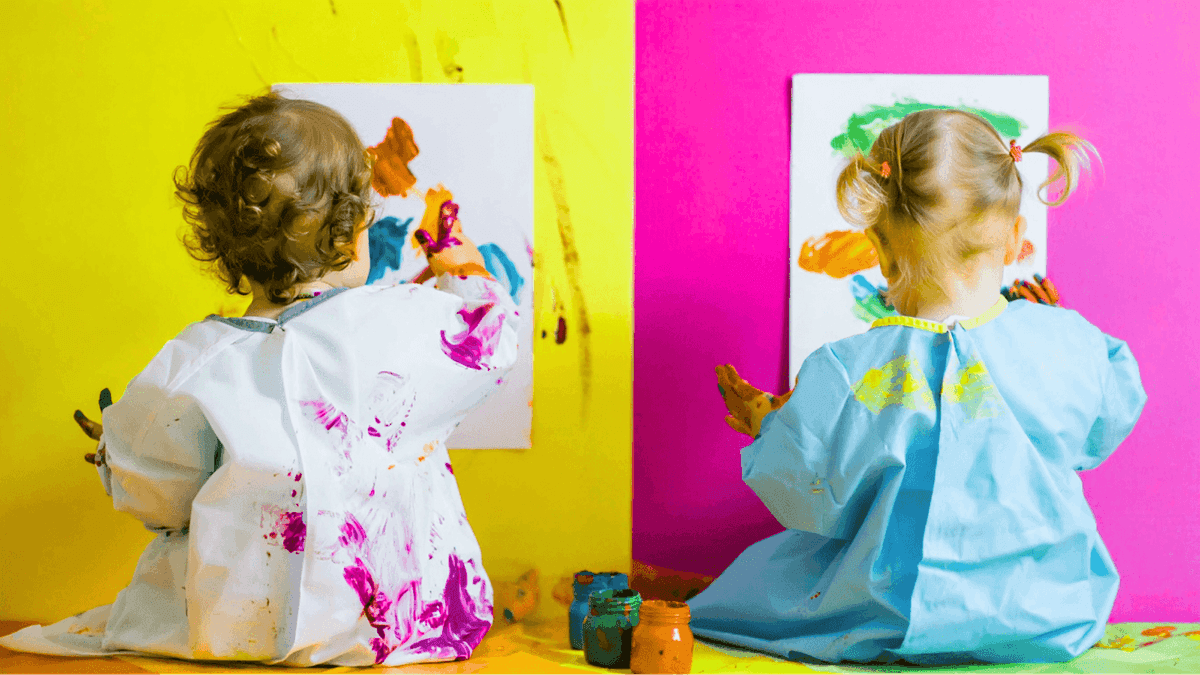

In the toddler years, kids absorb life as fast as sponges absorb water.
They’re eager to learn, which is why some parents start introducing educational activities into the daily rhythm at this age. A toddler homeschool schedule can help you make the most of this invaluable time of rapid cognitive growth and foster your child's love of learning. Feed their minds while they’re little, and watch their wonder, curiosity, and early learning skills blossom.
However, you don’t want to make your day feel too structured for your little one. You just need a flexible homeschool schedule that fits your family's routine and aligns with your kiddo's energy throughout the day.
Let’s take a look at some ideas for creating a toddler-friendly homeschool schedule that combines what little kiddos love with skills that support their development.
Why flexible schedules matter for toddlers and their parents
Homeschooling a toddler is not the same as homeschooling preschoolers or even primary-school kiddos. Little kiddos need more flexibility than their older siblings.
Toddlers are at an age when they can start to understand how schedules work. So a loose structure or rhythm will support their development and also feel sustainable for you as a parent. According to a study published in the Journal of Family Theory & Review, predictable routines help toddlers develop self-regulation skills while also lowering parental stress.
Your toddler’s mood, energy level, and attention span will shift throughout the day and also throughout the week. Some days they’ll be ready to explore and learn at sunrise, while other days they’ll need extra cuddles and quiet time until they’ve been awake for a few hours. With a flexible schedule, you can follow their lead while also maintaining a gentle rhythm.
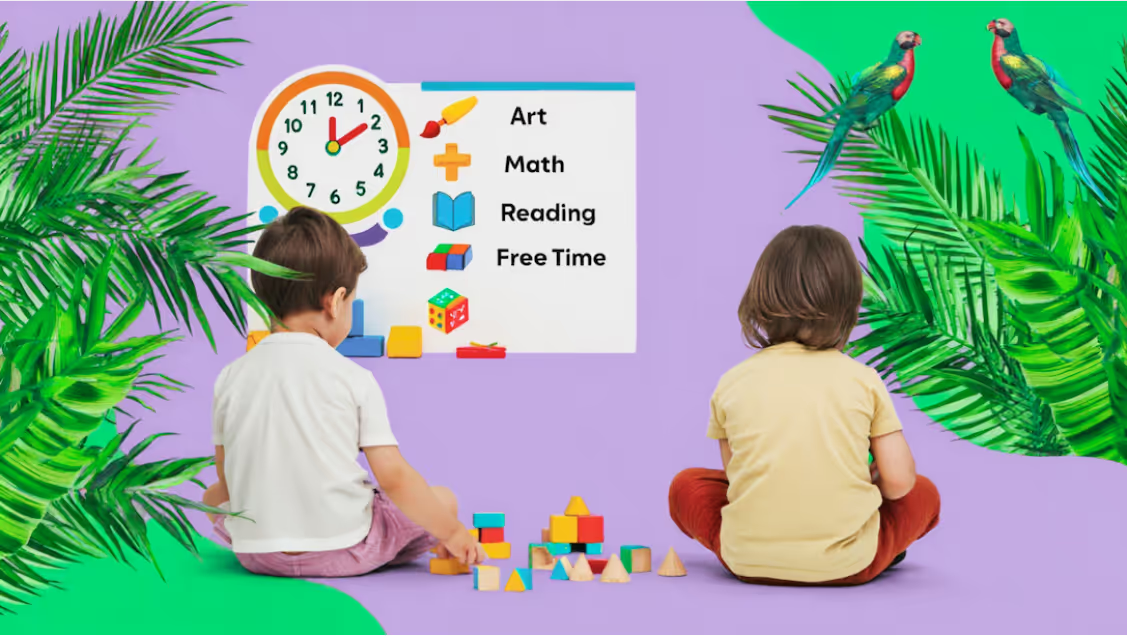
A visual schedule on a whiteboard with magnets representing activities is a great way to support the transition. Your kiddo can move the magnets around as you move between activities, making them feel involved. You can also try a simple picture chart with Velcro pieces, or a choice board where your toddler can choose between two activities. With time, you’ll find what feels natural for your family and settle into a routine that works for everyone.
For more ideas on building a homeschool schedule that works for you, check out our guide oncreating a homeschool schedule. And if you want to dive deeper into how play supports learning at this age, explore our resource onplay-based learning.
What to include in a toddler homeschool schedule
So, what types of activities should you weave into your toddler’s days to support healthy development?
Movement
Build movement into your toddler’s homeschool schedule with activities like dancing, scaling obstacle courses with cushions, or doing funny poses in front of the mirror. Combine movement with coordination using simple courses made of colored tape and cute floor stickers. Add directions like the “green frog sticker means jump, and the snake sticker means slither on the floor” to make movement feel like an adventure.
Gross and fine motor skills activities
Gross motor skills are all about big (controlled) movements, like picking up a ball or kicking it. Fine motor skills are more precise, like pinching and placing things inside small containers.
You can help your kiddo master these skills through a variety of activities with pretty much anything you have around the house. Toddlers love scooping beans, pouring water, putting noodles inside muffin tins, or stacking up blocks or plastic cups.
Sensory exploration
Sensory play is all about letting your toddler explore the world through touch, sound, sight, smell, and even taste. Set up sensory bins with rice, dried beans, or kinetic sand. Let your kiddo squish playdough, splash on water tables, or explore different textures like cotton balls, sandpaper, and soft fabrics.
Don’t forget about music! Shaking homemade instruments, listening to different genres, or feeling vibrations from a drum are all forms of sensory exploration.
Rest and recharge
Toddlers also need time to rest and process everything they’re learning. Make sure to include quiet moments throughout the day. These can be naps, gentle yoga stretches, or listening to a story while cuddling a plushie or the family pet.
Early literacy
The toddler years are a great time to introduce literacy concepts. During storytime, point to pictures and say the words, sing songs with repetitive sounds, or play with letter blocks while sounding them out.
Make letters and sounds feel playful and fun. When reading stories, use expressive language, make silly voices, and ask your toddler to turn the pages or point at things on the page.
Food discovery
Mealtimes can be learning opportunities too. Have your kiddos try new foods, explore different textures, and discover new flavors. Make it interactive by letting them help prepare simple things or arrange food on their plate. Talk with them about the colors, shapes, and how the food feels and tastes: crunchy, smooth, squishy, sweet, sour, or salty.
Social-emotional learning
Including social-emotional learning in your toddler's routine will help them understand their feelings and build empathy. You can weave this into the day with SEL-focused picture books, conversations about emotions during play, or simple activities like naming feelings when they pop up.
For example, if you’re building a block tower together and it falls, causing them to feel sad, you can say something like, “I can see you’re a bit frustrated because the block tower fell over. That’s ok, let’s try again.”
Sample toddler homeschool schedules
Use these two sample schedules as starting points and adjust according to your toddler’s energy patterns, the other kids in your home, and whatever feels sustainable for your family.
A homeschool schedule for toddlers with time blocks
This example follows time blocks that’ll help keep you on track and your kiddo engaged throughout the day.
9:00–9:10 – Rise and shine time
Start with a short talk about what the day could look like, look at a picture book together, and make animal noises together while holding stuffed animals.
9:10–9:25 – Block #1: Sensory play
Have fun with sensory bins with rice, magic sand, or water. Listen to different types of music, bang on buckets, or shake bottles full of beans.
9:25–9:35 – Movement break
Let loose by jumping along with music, pillow climbing, a little run around the yard, or animal poses and movements.
9:35–9:50 – Block #2: Coordination and gross motor play
Try activities like scooping sand, pouring liquids, solving big shape puzzles, building towers with blocks, balancing, or throwing a ball to each other.
9:50–10:00 – Snack break
Make snack time fun and interactive. Make food that is easy to eat with your hands, and every few days, introduce a new flavor.
10:00–10:20 – Rest time
Nap or quiet time with relaxing music or an audiobook.
10:20–11:00 – Free play
Let curiosity lead. Offer blocks for stacking, toys with fidgets to move in different ways, or animal figures to create a story with.
11:00–11:45 – Block #3: Early literacy
Make phonics sounds while playing with letter blocks, look at alphabet books, sing the alphabet, or trace big letters with little fingers.
11:45–12:30 – Lunch + outdoor play time
Enjoy lunch together, then go for a walk or play outside.
12:30–12:50 – Free activity
Let your toddler pick an activity. Depending on what they choose, accompany the activity with conversations about feelings, counting, or making phonics sounds.
12:50–13:30 – Rest/nap time
Nap or quiet time with relaxing music.
13:30–13:50 – Block #4: Sensory play with motor skills
Use playdough with molds, wind pipe cleaners through colander holes, or pick up small things and place them in a muffin tin.
13:50–14:00 – Wrap-up & celebration
Finish up the day with a dance party and a song.
A toddler homeschool schedule designed to maximize flexibility
This example is more flexible and loose, perfect for families who prefer to follow their toddler’s natural rhythms.
-
Morning: Start with outdoor time while energy levels are high. Follow up with a sensory activity, such as a water table or playdough.
-
**Snack time: **Prepare the snack together by letting your kiddo help with simple things like taking bowls to the table or placing mandarin slices on each plate.
-
**Rest and reset: **Nap or quiet time with soft music or an audiobook.
-
Midday: After lunch, do a short movement session, such as dancing, an indoor obstacle course, or active songs with actions.
-
Afternoon: Save quieter activities for the afternoon when energy dips. Storytime, simple puzzles, or coloring books are great options. End the day with another outdoor play session to help burn off any remaining energy before dinner and bedtime.
Weekly rhythm example for toddler schedules
Along with your daily schedules, you can create rhythms in which each day focuses on one theme.
Monday: Art-based
Art activities are for discovery and motor skills.
-
Finger painting
-
Coloring with chunky crayons or markers
-
Simple collage with torn paper
-
Painting with water or chalk on sidewalks
-
Playing with playdough
-
Stringing dry pasta
Tuesday: Outdoor (nature)
Head outside and let your kiddo explore nature.
- Digging in the dirt or sand
- Watching bugs and birds
- Playing with water outdoors (sprinklers, water tables, or puddle jumping)
- Planting seeds or watering plants together
- Making nature art with found objects
- Cloud watching and talking about what shapes you see
Wednesday: Pretend and imagination
Pretend play helps toddlers process their experiences and develop creativity.
- Playing house with dolls or stuffed animals
- Setting up a pretend kitchen or store
- Dress up with simple costumes
- Building houses or forts with blankets and furniture
- Pretending to be animals
Thursday: Movement and music
Get those wiggles out and explore rhythm and sound.
- Dancing to different types of music
- Playing with homemade instruments (shakers, drums, bells)
- Action songs with movements
- Yoga poses for toddlers
- Marching and stomping to a beat
- Musical chairs
Friday: Social activity
End the week with connection and social interaction.
- Playdate at the park or playground
- Softplay space or indoor play center
- Library storytime
- Toddler music class
- Meeting up with other homeschool families
- Community events designed for young kiddos
Creating a homeschool schedule that fits your little one
Create a homeschooling routine for your toddler with an open mind. Some days, having a schedule in place can be just what you need to have the best day ever. Other days, learning might happen by going with the flow, with extra time for stories and hide-and-seek at the park.
The goal is to create just enough structure, while leaving room for spontaneity, messy exploration, and the occasional toddler meltdown. Just remember that you’re building a foundation for learning that will serve your kiddo for years to come. Having a routine will help them when they start preschool in the future, either in-person or with an online school like bina.
Frequently Asked Questions
Do toddlers really need homeschool schedules?
Toddlers need rhythm and predictability, but not rigid time blocks. A gentle routine helps them feel secure and understand what comes next, which improves their sense of time and before/after comprehension. Think of it as a flexible flow rather than a strict schedule.
Should I schedule play time, or just do it when my toddler wants it?
Play should happen throughout the day. It can be both planned and spontaneous. Schedule some play-based learning activities, but also leave room for free play where your kiddo leads. Both types are valuable for their development.
How can I make food times interactive and part of the schedule?
Let your toddler help with simple prep tasks like washing produce, stirring, or arranging food on plates. Talk about colors, textures, and tastes as you eat together. Make trying new foods a fun exploration, and try not to push them into eating what they don’t want.
How much educational screen time is okay for toddlers?
For kiddos ages 18 months to 5 years, parents should choose high-quality programming and watch it together to help them understand what they're seeing. On-screen time can gradually increase to longer periods, ideally always with the aim of learning.
Accredited, full-time school for grades K-12
Bring the best of the classroom to your home
See if we're a fit

More to read
How to plan a 1st-grade homeschool schedule for your kiddo
Create a 1st-grade homeschool schedule that balances reading, math, projects, and everyday life. Get simple tips to help your kiddo learn, grow, and shine.

How to plan a preschool homeschool schedule for your kiddo
Learn how to create a preschool homeschool schedule that blends education with play. Build a routine that keeps learning at home fun and low-stress.
How to plan a 3rd-grade homeschool schedule for your kiddo
Learn how to plan a 3rd-grade homeschool schedule with balance. Get tips, examples, and daily schedules that mix academics, projects, and play.